GitHub

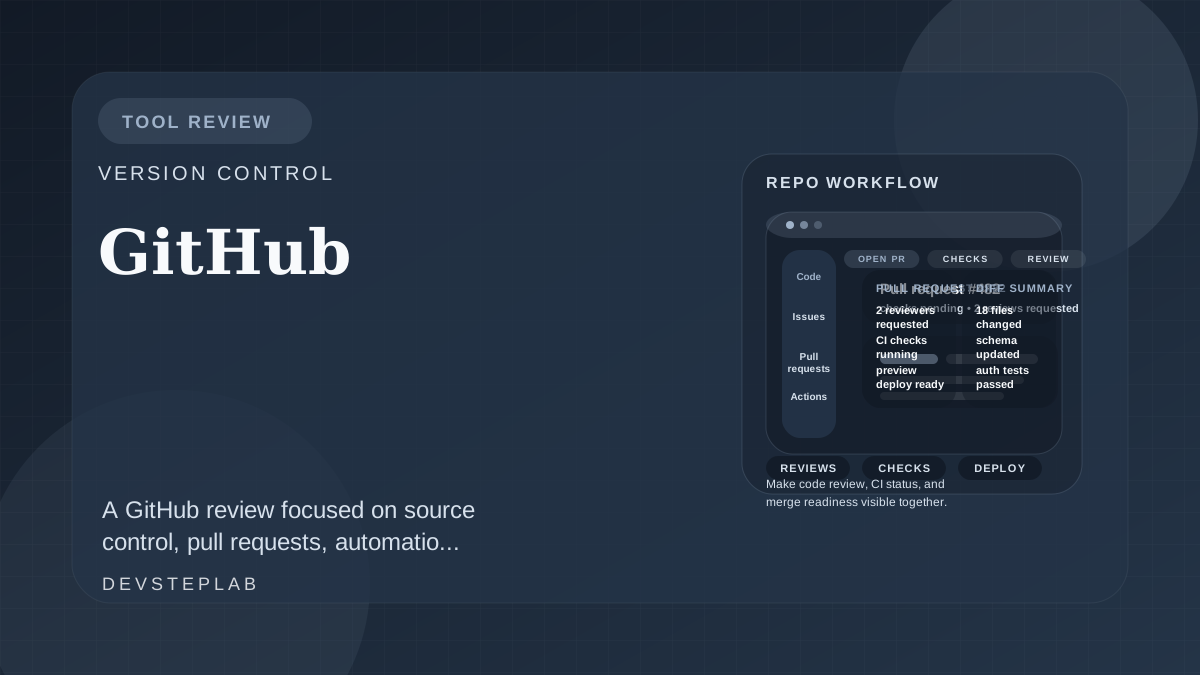
A GitHub review focused on source control, pull requests, automation, and the platform tradeoffs most engineering teams actually feel.
GitHub becomes powerful because it concentrates source control, review workflow, automation, and release visibility in one place. That concentration is also what makes it easy to accumulate process debt if repository standards are weak.
GitHub is strongest when code review, automation, and repository visibility are treated as one workflow instead of separate tools.
Best fit: teams that want one collaboration surface
GitHub is strongest when the team wants a shared place for:
- pull requests and review rules
- CI automation
- issue and release context
- code visibility across projects
That breadth is the reason it scales from small teams to larger engineering organizations.
Repository standards matter more than features
The most useful GitHub setups have clear defaults for:
- branch protection
- review ownership
- workflow naming
- release and changelog conventions
Without those rules, the platform simply reflects whatever inconsistency already exists in the team.
Automation should stay understandable
GitHub Actions and repository automation are valuable when they stay close to the delivery path. They become dangerous when too many hidden workflows control deployment, permissions, or release behavior and no one can explain them quickly.
How GitHub compares to other repo and platform choices
GitHub is strongest when repository hosting, pull-request review, and automation all need to live in one place. That does not mean every team should default to it forever.
Other platforms can become more attractive when:
- enterprise controls dominate the buying decision
- self-hosting is a hard requirement
- integrated issue planning or compliance workflows matter more than ecosystem reach
For many software teams, though, GitHub wins because the surrounding ecosystem is easy to hire for, document, and integrate with.
What to standardize if GitHub is your primary platform
The biggest gains come from clear team rules, not from more platform features:
- pull-request expectations
- branch and release protections
- automation ownership
- issue and project workflow discipline
That is what keeps the repository platform from turning into a noisy activity stream with weak delivery accountability.
Editorial verdict
Choose GitHub when you want one strong collaboration surface for source control, reviews, and automation. The platform scales well when repository governance scales with it. The tool is rarely the bottleneck; uncurated process usually is.
Related next reads
Frequently Asked Questions
Is GitHub only valuable for code hosting?
No. For most teams it becomes the coordination surface for reviews, automation, releases, and project visibility as much as a repository host.
What causes GitHub setups to become hard to manage?
Weak repository standards, unowned automation, and inconsistent review rules create complexity faster than the platform itself does.