Learn the web development roadmap for beginners by understanding how the web works, including URLs, DNS, HTTP, web servers, and the difference between frontend and backend.
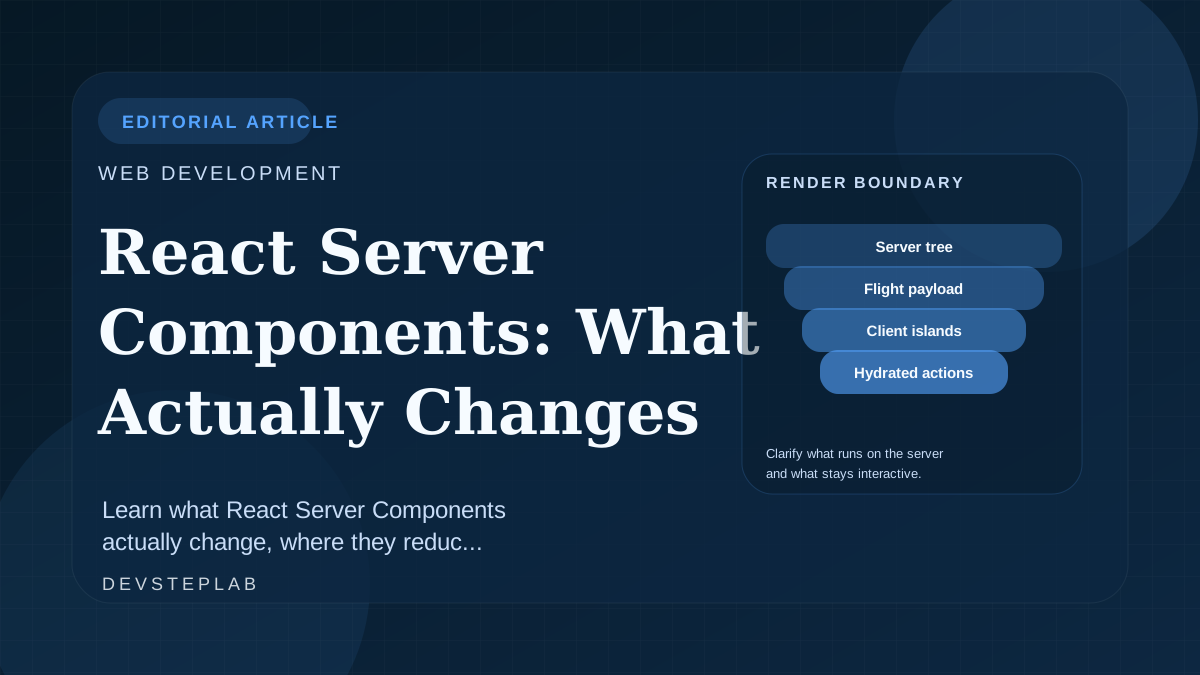
Learn what React Server Components actually change, where they reduce client JavaScript, and where they introduce architectural overhead in production apps.
The web stack moves fast enough that teams often learn isolated features and miss the connections between rendering, performance, design systems, deployment, and editorial structure. This hub is meant to keep those connections visible.
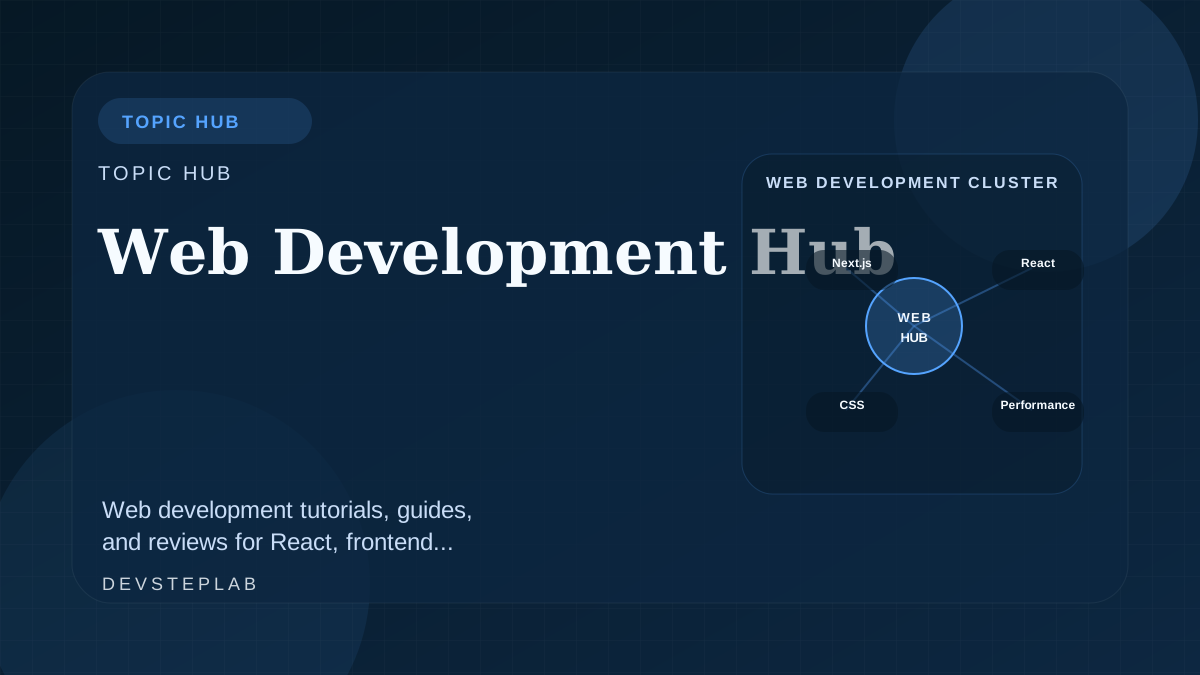
Use this web development hub to connect React, backend delivery, performance, and developer tooling into one coherent product workflow.
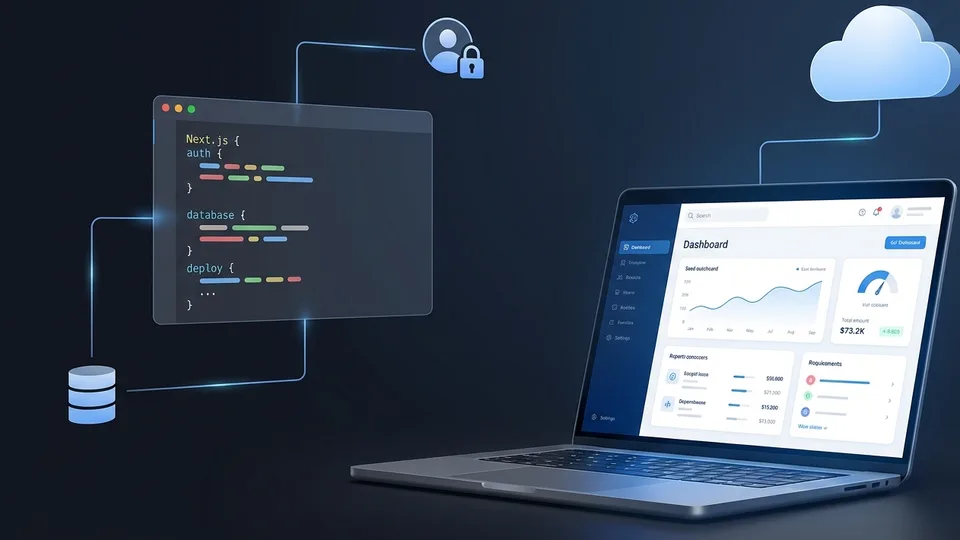
Editorial illustration: hub illustration showing frontend, backend, performance, and deployment paths for a web product.
Start with the route that matters most
If your immediate problem is:
rendering and bundle weight, start with server/client boundaries
system consistency, start with the design-system and CSS work
shipping speed, move into deployment and full-stack delivery paths
conversion performance, focus on Web Vitals and page budgets
The best sequence depends on the route where users actually feel the pain.
Use this hub to connect interface and delivery decisions
Web teams usually lose time where responsibilities overlap:
design and implementation drift apart
rendering strategy conflicts with caching
performance work happens after product complexity is already locked in
deployment choices hide application issues instead of solving them
That is why this hub mixes tutorials, guides, articles, and tool reviews instead of separating them artificially.
Performance is a content problem too
On editorial and content-heavy sites, search visibility and user experience depend on more than metadata. They depend on pages that render cleanly, stay stable, and avoid wasting client work on routes that should mostly be read-only.
Follow the hub by product pressure
Use the subtopics and related resources based on the pressure you are under:
frontend clarity
backend delivery
mobile responsiveness
performance and conversion
The web stack gets easier to navigate when those pressures are treated as one connected system instead of four separate disciplines.
React, UI systems, rendering models, and CSS architecture for teams shipping content and product interfaces.
4 resources
Backend
APIs, service boundaries, app servers, and runtime constraints that shape full-stack delivery.
2 resources
Mobile
Responsive patterns, device-aware UX, and cross-surface thinking for teams extending the web product surface.
3 resources
Performance
Core Web Vitals, caching, and rendering costs that directly affect search visibility and conversion.
Archive Snapshot
Subtopics4
Resources12
Latest updateMarch 2026
Frequently Asked Questions
What kinds of teams should use this web-development hub?
It is built for developers working on websites, applications, and content platforms that need strong frontend, backend, performance, and delivery decisions to work together.
Is this hub only about frontend frameworks?
No. It covers rendering, backend delivery, UI systems, deployment fit, and the practical tradeoffs that shape modern web products.