Docker

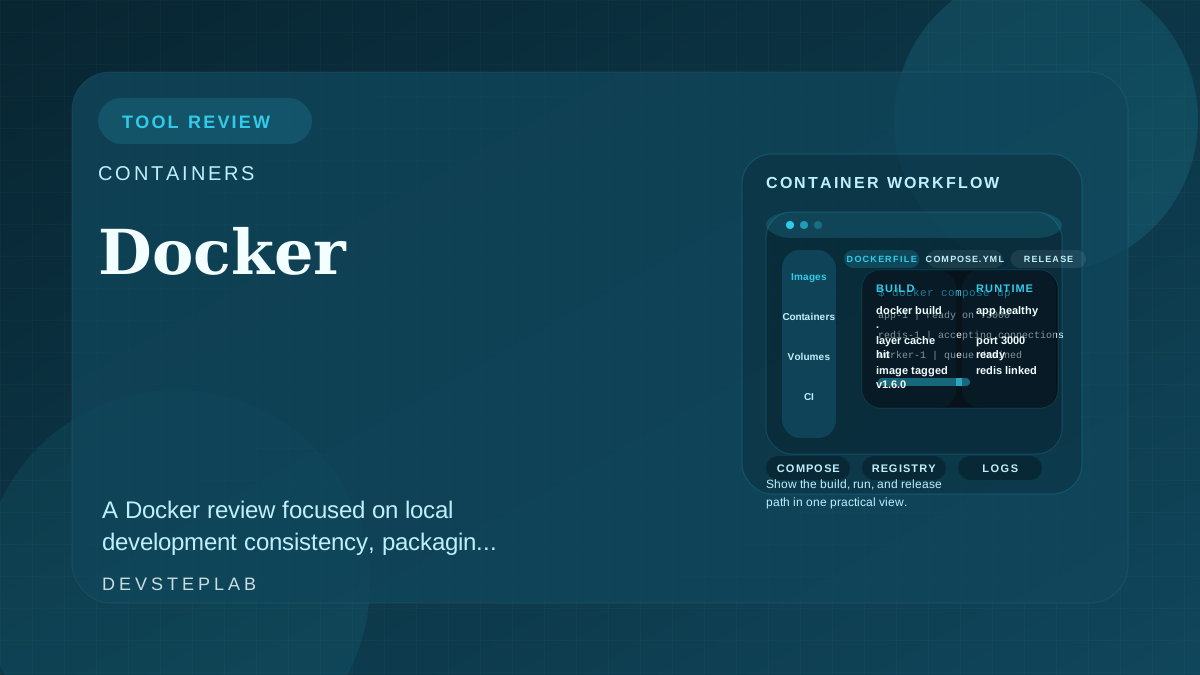
A Docker review focused on local development consistency, packaging workflows, and where containers still create the most value for engineering teams.
Docker remains the default container choice mostly because it solves the coordination problem well: developers, CI systems, and platform teams can usually agree on what a Docker-based workflow means. That shared understanding is a real productivity gain.
Docker remains valuable when teams need a repeatable runtime boundary across local development, CI, and deployment.
Docker is strongest at the packaging boundary
Its clearest value shows up when teams need one contract for:
- local development environments
- CI image builds
- predictable deployment artifacts
That consistency is why Docker still matters even when the runtime landscape keeps evolving.
The local workflow still needs discipline
Docker helps most when the images and compose setup are intentional. Teams get less value when local stacks are:
- slow to rebuild
- full of hidden volume assumptions
- different from CI in meaningful ways
- treated as permanent development state instead of disposable environments
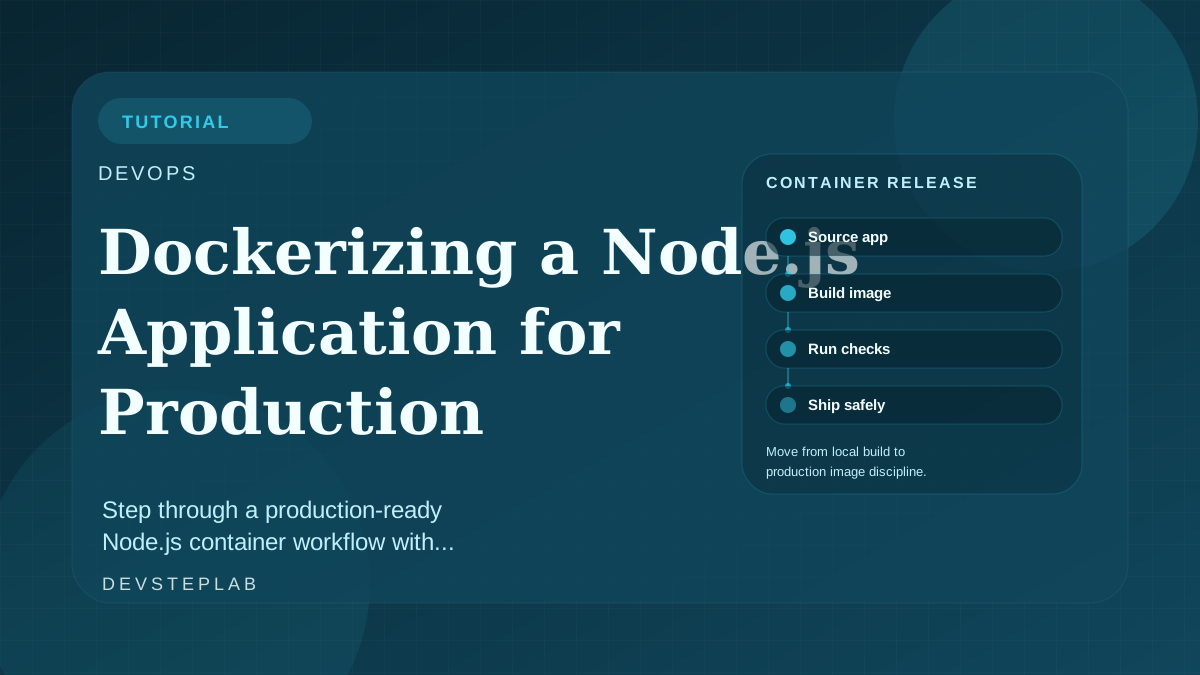
If you want the production path, pair the tool review with Dockerizing a Node.js Application for Production.
Know the tradeoffs
Docker is not free convenience. It can introduce:
- local resource overhead
- awkward filesystem performance on some setups
- extra complexity for developers who only need one service
That does not make it the wrong choice. It means the workflow should justify the tool.
How Docker compares to simpler or newer alternatives
Docker wins when the team needs a common container language across laptops, CI systems, and deployment pipelines. Alternatives can be better when security posture, daemonless operation, or resource usage matter more than ecosystem familiarity.
Teams should compare Docker against alternatives when:
- local development is consistently slow
- the platform team wants tighter runtime controls
- rootless workflows are a hard requirement
- the team mostly needs image builds rather than full local orchestration
In other words, Docker should stay because it reduces friction, not because it is the default industry answer.
What to standardize if you keep Docker
The operational payoff comes from shared conventions:
- one documented build strategy
- a clear runtime base image policy
- health checks and startup expectations written down
- local compose files that mirror CI and deployment assumptions closely enough to be useful
That standardization is what turns Docker from “it runs on my machine” theater into a reliable packaging boundary.
Editorial verdict
Choose Docker when shared packaging and environment parity are more valuable than absolute local simplicity. Avoid using it as an identity marker for the stack. It should reduce ambiguity, not add ceremony.
Related next reads
Frequently Asked Questions
Is Docker still the right default container tool for most teams?
For many teams, yes. Its ecosystem reach and broad platform support still make it the easiest common denominator for local development and CI packaging.
When should teams evaluate alternatives like Podman or managed build systems?
Teams should evaluate alternatives when local resource usage, security posture, or platform constraints make Docker harder to operate than the workflow justifies.