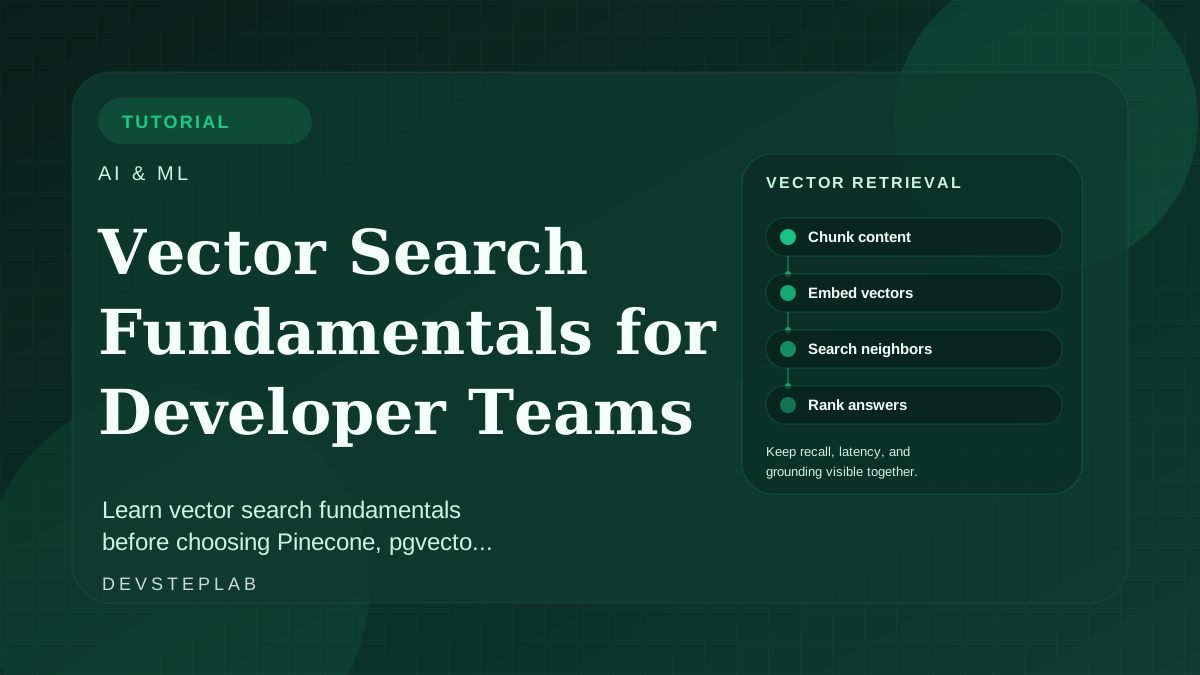
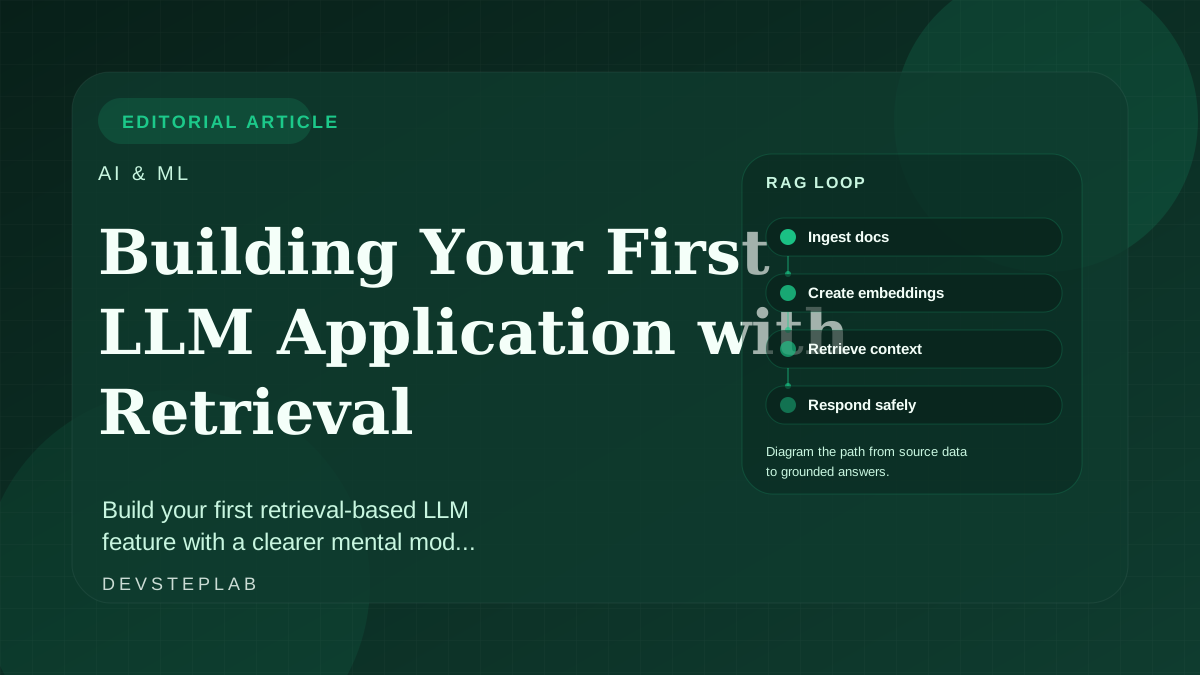
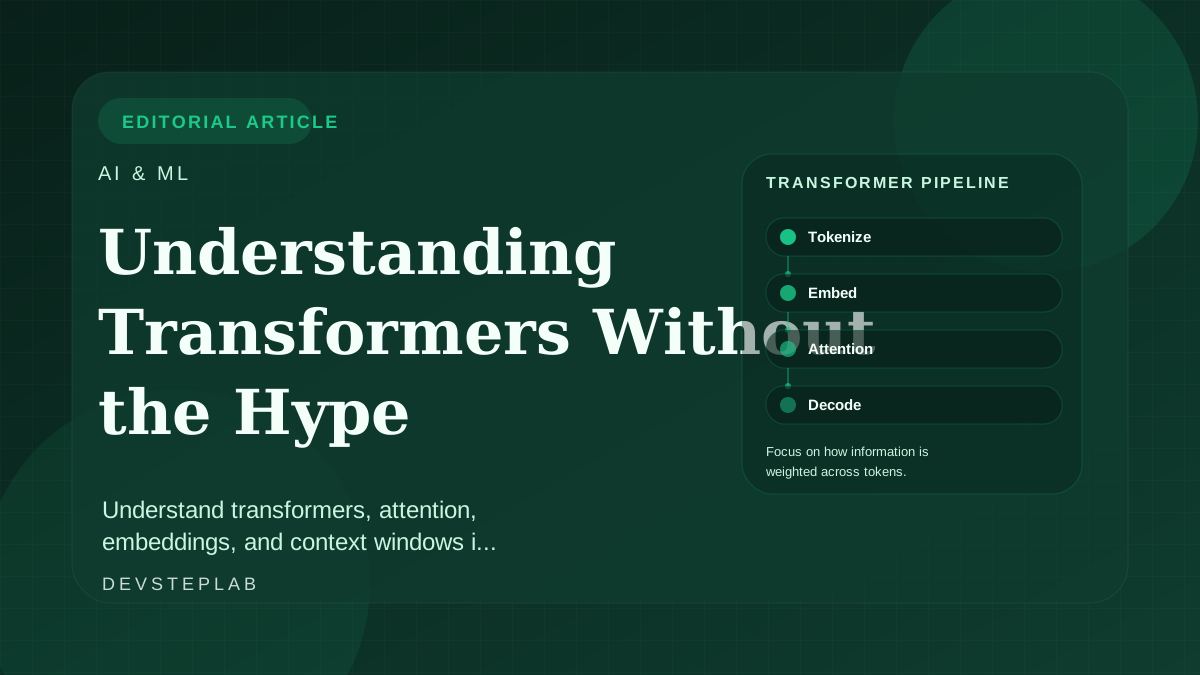
Learn vector search fundamentals before choosing Pinecone, pgvector, Weaviate, or another stack, including embeddings, indexing, retrieval, and ranking basics.
AI and machine learning work becomes much more practical once it is organized around engineering constraints instead of hype cycles. This hub focuses on the parts that matter most to builders: data flow, retrieval, evaluation, model limits, and the surrounding product workflow.
Use this hub to move from AI concepts to retrieval, evaluation, and implementation details without losing engineering context.
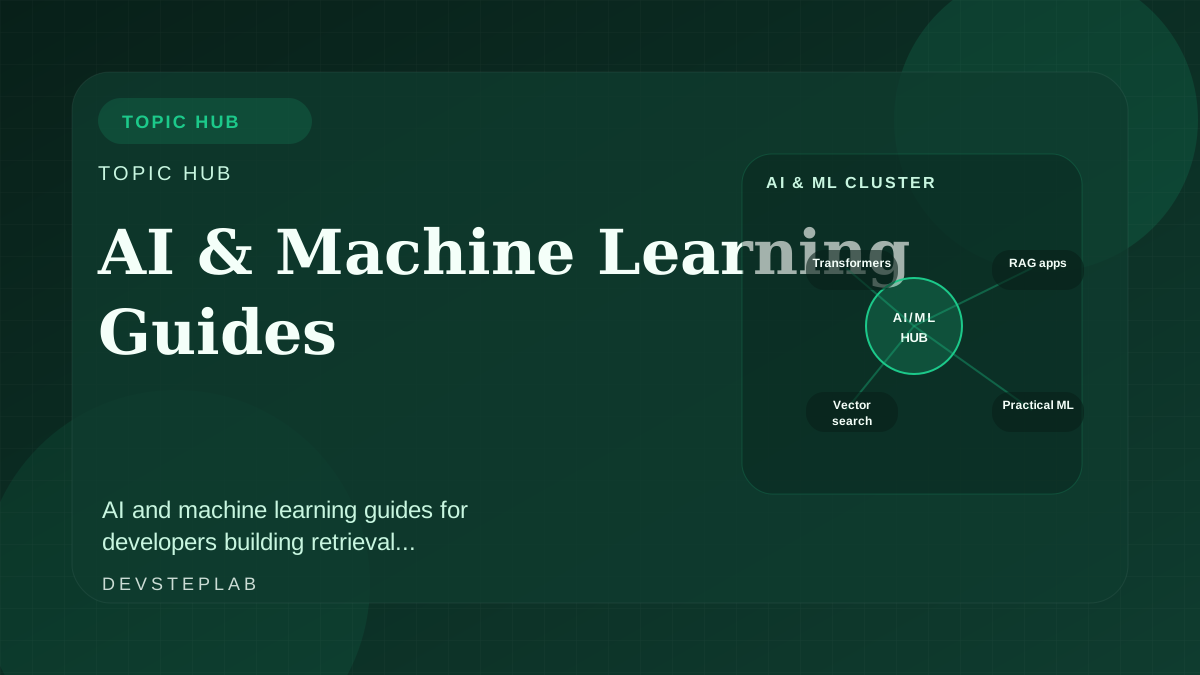
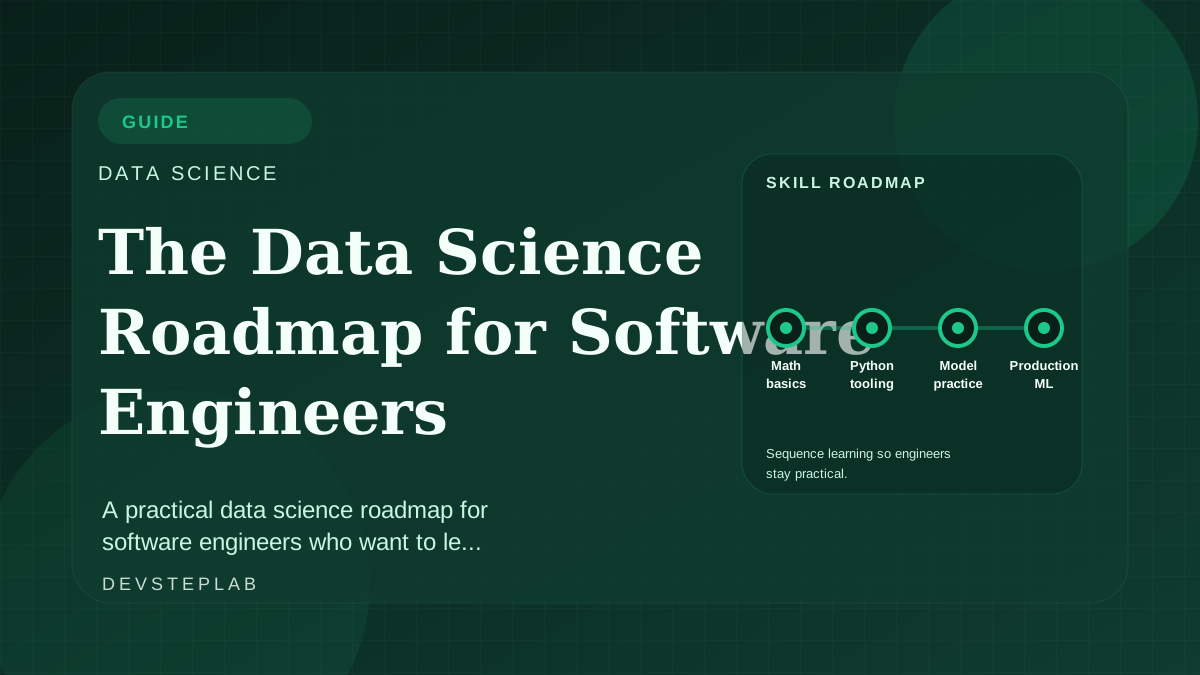
Editorial illustration: hub illustration showing the AI cluster across models, retrieval, evaluation, and data pipeline decisions.
Start with the task, not the model brand
A productive sequence usually looks like this:
define the task
understand the data and retrieval path
choose the right model class
measure quality and operational cost
This order matters because most product failures come from weak system design around the model, not from missing one more prompt trick.
Retrieval and evaluation are the real foundation
For many teams, the most important AI skills are not pure model training. They are:
grounding outputs with the right context
evaluating whether results are useful
handling uncertainty and refusal paths responsibly
operating the system with observability and cost awareness
That is why this hub connects tutorial content, long-form guides, and explanatory articles across those layers.
Use the hub to avoid common traps
Common mistakes include:
choosing infrastructure before the retrieval workflow is clear
shipping without evaluation sets
treating context windows like unlimited product memory
confusing a model demo with a production capability
The related resources here are organized to keep those traps visible early.
Build breadth first, then specialize
Once the basics are clear, go deeper into the area your product actually needs:
retrieval systems
model fundamentals
data science workflow
ML or LLM product architecture
The right path is the one that makes your next shipped feature more reliable, not the one that sounds the most advanced.