The Complete Guide to Docker and Kubernetes

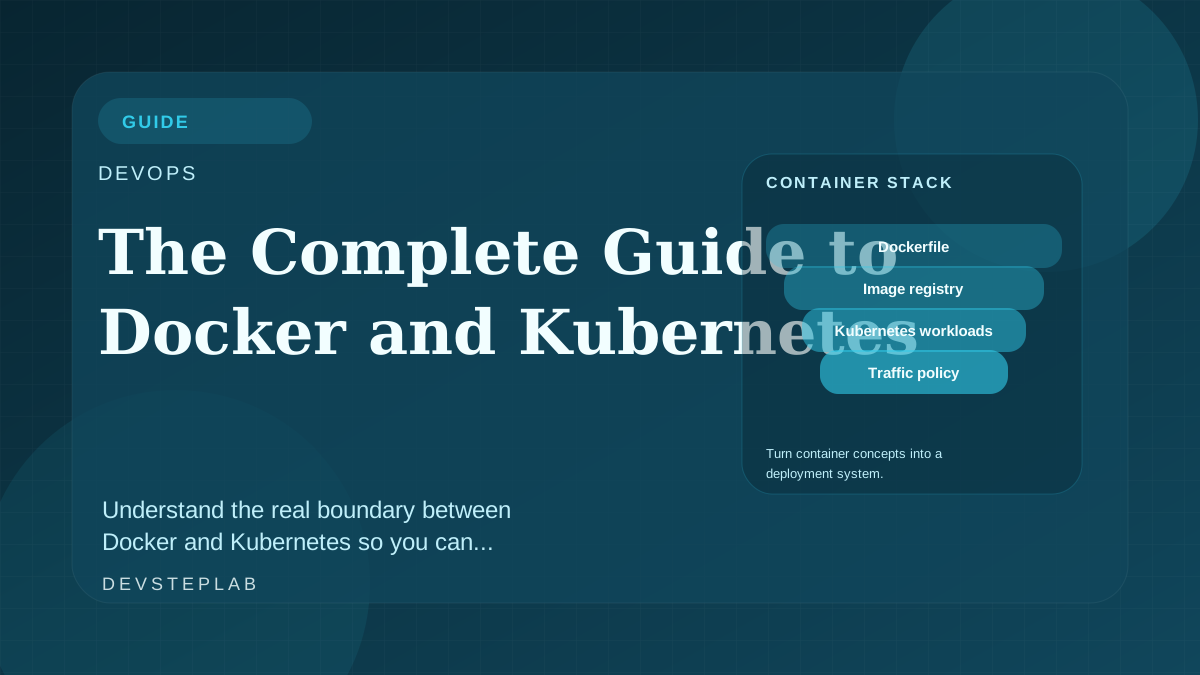
Understand the real boundary between Docker and Kubernetes so you can choose simpler platforms when they fit and orchestration when it truly helps.
Docker and Kubernetes are related, but they solve different layers of the problem. Docker standardizes how an application is packaged and run. Kubernetes coordinates how many of those workloads run, where they run, and how they change safely over time.
This guide is about understanding the handoff between those layers so platform decisions stay proportionate to the problem.
Docker vs Kubernetes becomes easier to reason about when you separate packaging concerns from orchestration concerns.
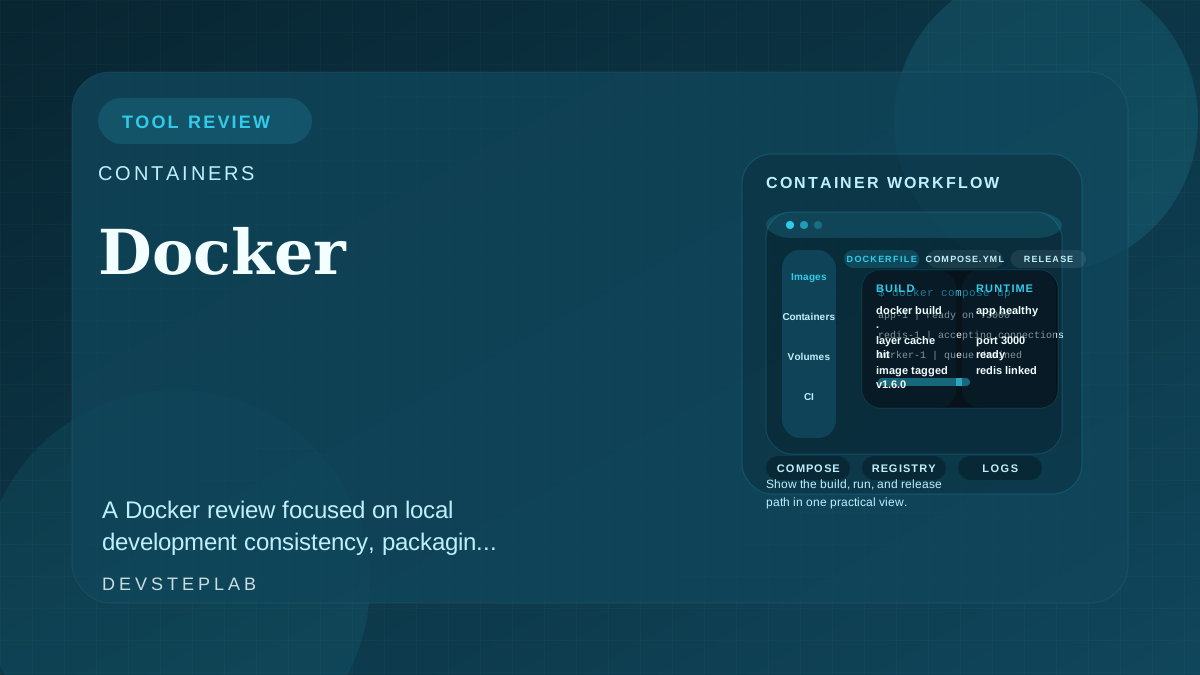
Docker is the packaging boundary
Containers are valuable because they make the application runtime explicit:
- base image
- dependencies
- startup command
- file system expectations
- environment contract
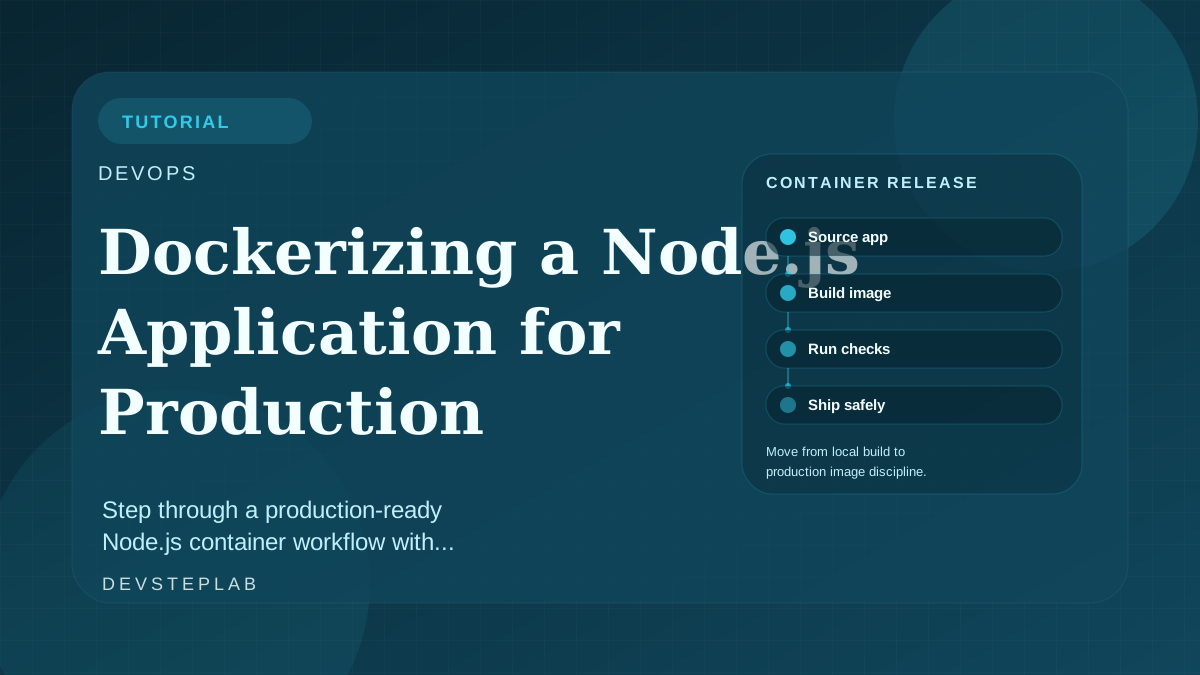
That is why a production container should already be understandable before orchestration enters the picture. The workflow in Dockerizing a Node.js Application for Production is a good example of that first boundary.
Kubernetes is the coordination boundary
Kubernetes becomes useful when you need consistent ways to answer questions like:
- where should this workload run?
- how many replicas should exist?
- when is the service healthy enough for traffic?
- how should traffic shift during deploys?
Those are orchestration questions, not container questions.
Complexity grows from the control plane outward
Teams underestimate Kubernetes because the first deployment looks simple. The real complexity appears in:
- networking and ingress
- secret and config distribution
- rollout strategy
- autoscaling behavior
- observability across multiple services
That is why Kubernetes should be adopted for real coordination needs, not as a badge of seriousness.
Platform maturity comes from contracts
A stable container platform depends on consistent contracts:
- images expose one clear process
- readiness and liveness checks mean something
- deployments have rollback rules
- stateful services have explicit storage and migration plans
If those contracts are weak, the cluster only magnifies the confusion.
Choose the simplest platform that solves today's constraint
Single-service or low-complexity systems can often stay on simpler deployment platforms longer than teams expect. Move to Kubernetes when the coordination burden is genuine, not when the documentation makes it look inevitable.
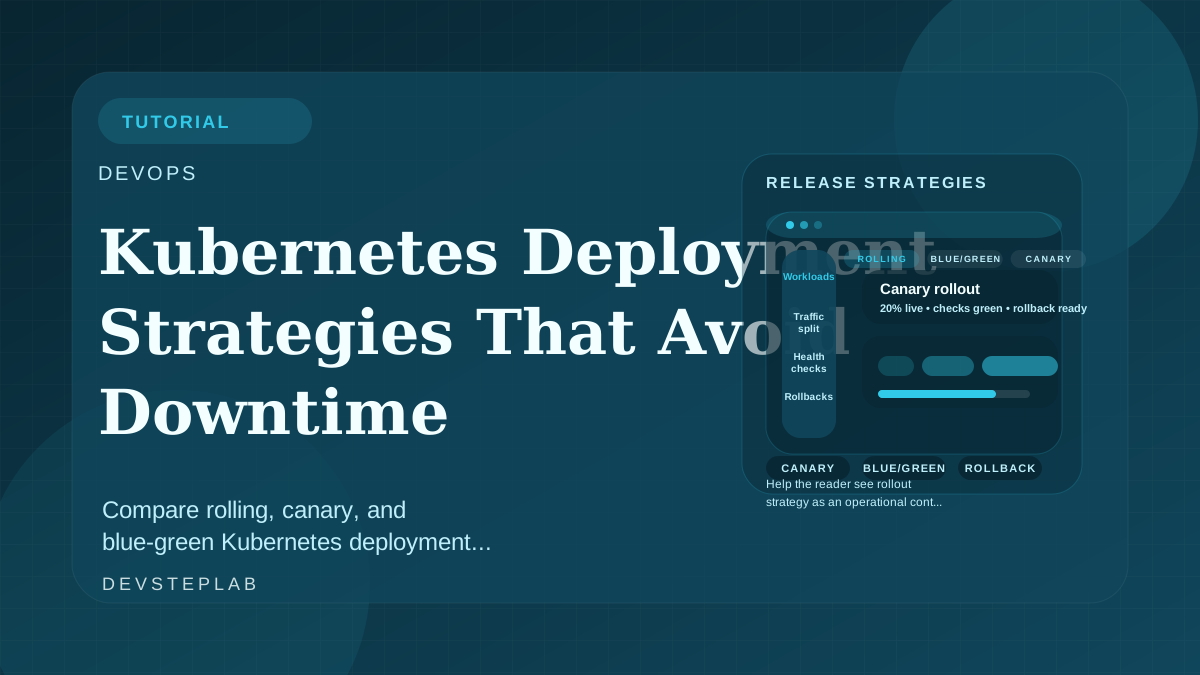
When you do adopt it, combine the platform model with Kubernetes Deployment Strategies That Avoid Downtime so deployment risk and cluster mechanics are designed together.
Related next reads
Frequently Asked Questions
Do small teams need Kubernetes from the beginning?
Usually not. Teams should adopt Kubernetes when workload scale, deployment complexity, or multi-service coordination justify the operational overhead.
Does Docker knowledge automatically transfer to Kubernetes?
Only partially. Containers explain the runtime package, but Kubernetes adds scheduling, service discovery, rollout control, and cluster operations that need separate understanding.